Content teams
A small team needs consistent narration for short explainers and product updates.
They can revise copy quickly and review a voice draft before sending it into a larger production process.
Browser voice workflow
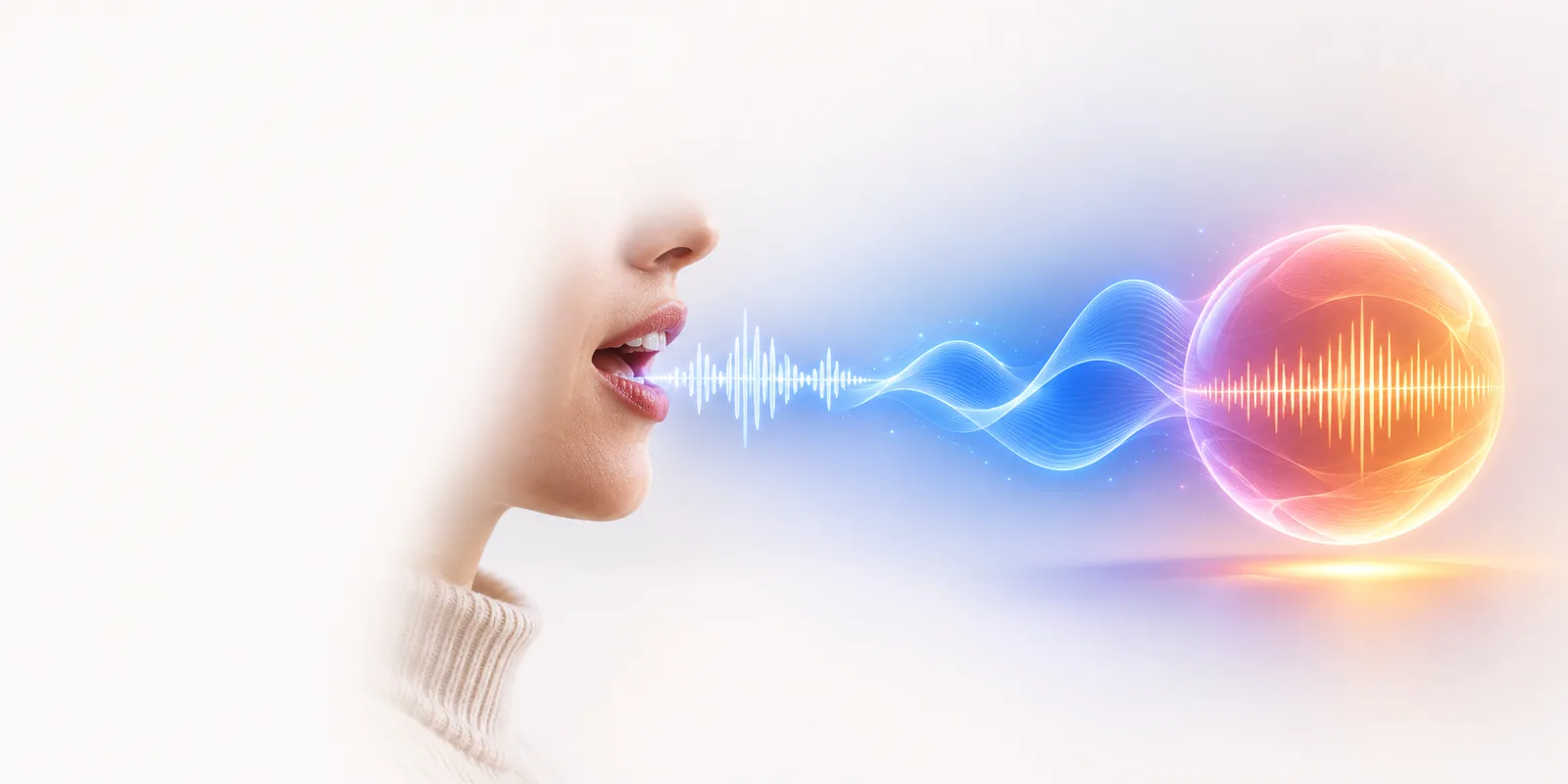
AI voice cloning online free gives you a simple way to test an approved voice sample, prepare spoken content, and review the result in one focused workflow.
Related paths
These nearby guides cover definitions, alternatives, examples, and text-to-speech workflows when your project needs a more specific starting point.
Honest boundaries
An online route is convenient, but it is not a substitute for consent, careful review, or a production audio team.
A browser tool cannot prove that you own or have permission to use a recording. The responsibility for consent remains with the person submitting the voice.
What to do instead
Use your own voice or keep clear written permission for every voice sample.
Accents, emotion, breath, background noise, and unusual pronunciation can affect how closely generated speech matches the source.
What to do instead
Start with a clean recording, use short test passages, and review the output before publishing.
Online voice cloning focuses on creating or previewing speech, not replacing full editing, mixing, sound design, or broadcast mastering.
What to do instead
Export or hand off the result to an audio editor when the project needs detailed post-production.
Availability, output controls, usage rights, and account requirements can vary by product and change over time.
What to do instead
Check the active product terms and test a small, appropriate sample before committing to a larger workflow.
Simple process
The route stays manageable when you separate the voice source, the spoken script, and the final review.
Choose a clear recording that you are authorized to use. Avoid music, overlapping speakers, heavy room noise, and private information.
Provide the words to say and describe the intended delivery, such as calm narration, friendly instructions, or a concise announcement.
Review pronunciation, pacing, tone, and unwanted artifacts. Adjust the script or source material before sharing the finished audio.
Output review
A before-and-after view makes the purpose of the workflow clear: begin with an approved source, then inspect the generated speech for clarity and fit.
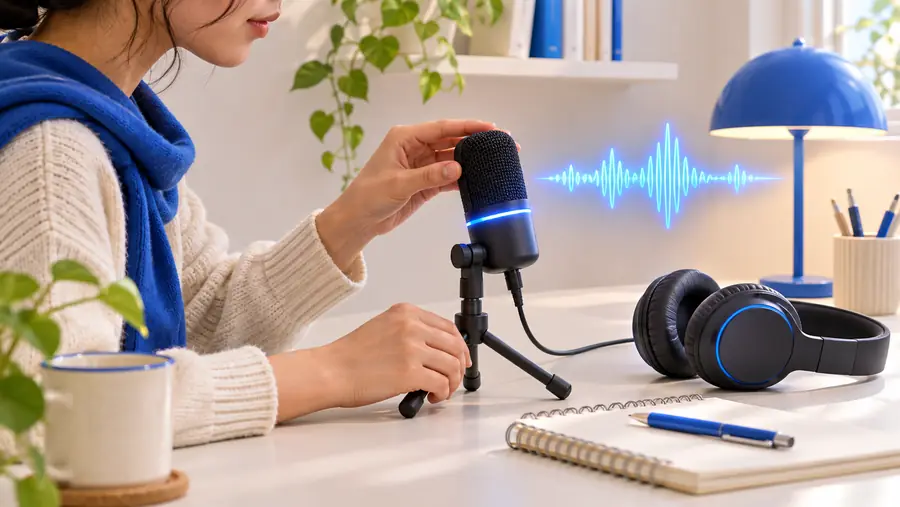
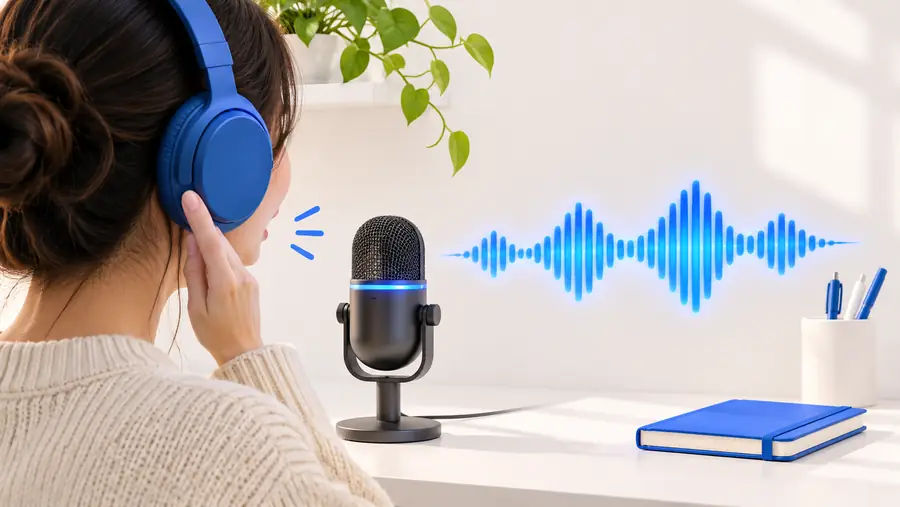
Always listen before publishing.
Approved sourceReviewed outputWorkflow comparison
Both approaches can produce spoken audio, but they solve different problems. Choose the online route for iteration and the manual route when live performance control matters most.
| Online voice cloning | Manual voice recording | |
|---|---|---|
| Starting material | An approved voice sample and written direction | A live or recorded performance of the full script |
| Revision style | Edit the script and regenerate a passage | Re-record lines or schedule another session |
| Performance control | Direction is expressed through text and available controls | The speaker controls timing, emphasis, and emotion directly |
| Room consistency | Can avoid repeating the same physical recording setup | Depends on the room, microphone, and recording conditions |
| Human spontaneity | May require extra review for natural variation | Captures live breaths, reactions, and improvised delivery |
| Best first use | True | True |
| Main responsibility | True | True |
Practical applications
The same browser-based process can support several kinds of approved voice projects, from early drafts to repeatable narration.
A small team needs consistent narration for short explainers and product updates.
They can revise copy quickly and review a voice draft before sending it into a larger production process.
A creator wants a recognizable voice for guided content, transcripts, or spoken instructions.
A repeatable voice workflow can make updates easier while keeping permission and review visible.
A producer is testing alternate intros, corrections, or placeholder narration before a final session.
They can compare script options without treating a draft as a finished performance.
A prototype needs spoken prompts or character lines during early testing.
An online voice workflow helps validate timing and content before deeper audio engineering work.
Start with a sample
Bring a clear voice sample and a short script to the workspace, then listen closely to the result. Keep consent, accuracy, and review at the center of every project.
Common questions
Answers to practical questions people ask before trying an online free voice-cloning workflow.
It generally involves submitting or selecting an approved voice sample, providing text or direction, and reviewing generated speech in a browser-based workflow. The exact controls, limits, and usage terms depend on the product you use.
You should use only a recording you own or have clear permission to use. A tool may process a file technically, but that does not give you legal or ethical permission to imitate the speaker.
Not always. Listen for mispronunciations, unnatural pacing, artifacts, and unintended changes in tone before using the audio in a public project.
A short script with familiar words, varied sentence lengths, and a clear intended tone is a useful starting point. Avoid private information, copyrighted material you cannot use, and difficult names until you understand the workflow.
It can help with drafts, repeatable updates, and certain approved narration tasks, but it does not replace the judgment and expressive control of a professional performer in every project. Choose the approach that matches the stakes and creative needs of the work.