
ⅡAivoicecloning

Practical comparison

Find an ai voice cloning alternative free for your workflow

The best ai voice cloning alternative free is not simply the tool with the lowest entry cost. It should fit your recording quality, publishing workflow, consent standards, and need for repeatable voice output without forcing a full restart.

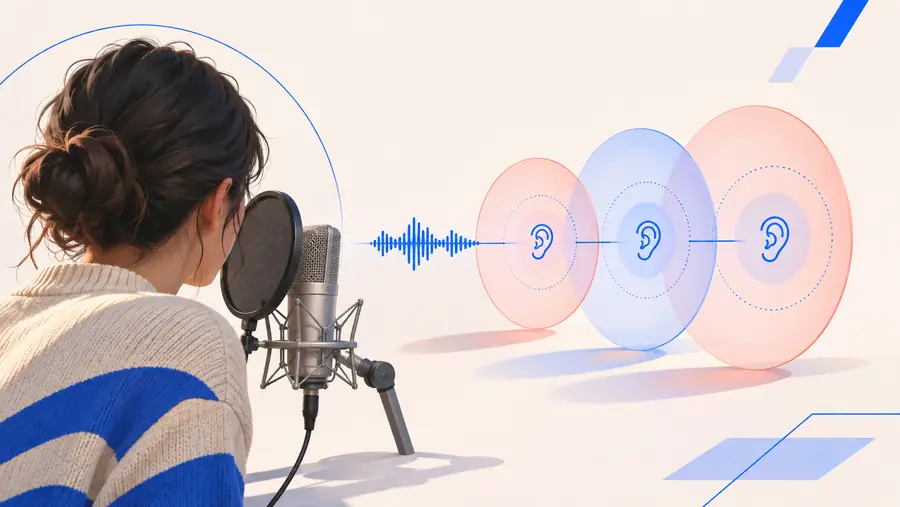
Voice creator working with an AI audio workspace

Decision framework

Compare the dimensions that matter

A fair comparison looks beyond the headline offer and checks the full path from source recording to usable audio.

  1. 1

    Define the voice job

    Write down whether you need narration, character dialogue, short-form content, accessibility audio, or a repeatable brand voice. A clear job makes it easier to judge whether an ai voice cloning alternative free actually fits.

  2. 2

    Check the production path

    Compare how you provide source audio, prepare text, review pronunciation, create variations, and export the result. A free option can still be a poor choice if every revision requires a manual workaround.

  3. 3

    Test one representative sample

    Use the same short script and the same review criteria across tools. Listen for identity, clarity, pacing, emotional range, and consistency instead of judging only a polished demonstration.

  4. 4

    Confirm responsible use

    Keep permission, disclosure, and access controls in the decision. Voice technology should support authorized projects, not impersonation or deceptive recordings.

Best-fit users

Who each option suits

Different users need different balances of control, speed, voice identity, and budget. Start with the outcome you need, then choose the simplest path that can deliver it.

Independent creator

You need recurring narration for videos, explainers, or social clips and want to move from script to draft without coordinating a new recording each time.

Prioritize a clear text-to-speech workflow, easy revision, and a voice that remains recognizable across episodes. The guide to free ai voice cloning text to speech explains this input-to-output path.

free ai voice cloning text to speech

Small marketing team

You are testing several campaign concepts and need voice drafts before committing to a final production approach.

Choose a workflow that makes comparison easy and keeps approval visible. The ai voice cloning online free guide helps frame the browser-based workflow and its practical tradeoffs.

ai voice cloning online free

Podcast or audiobook producer

You need consistent narration across a longer project, with repeatable pronunciation and a manageable revision process.

Judge continuity over time, not just one impressive sentence. The ai voice cloning examples free guide can help you map common production scenarios before you migrate.

ai voice cloning examples free

Developer or product builder

You are evaluating voice output for a prototype, guided experience, or internal tool and need to separate experimentation from production requirements.

Document source permissions, expected volume, editing needs, and review checkpoints. The voice cloning free overview gives you a starting point for comparing access and workflow friction.

voice cloning free

Workflow shift

A practical migration path

Voice workflow comparison showing an initial evaluation stage
Scattered evaluation
Organized text-to-speech voice workflow ready for production
Repeatable production

Move one approved project first, then expand.

Scattered evaluationRepeatable production

Choose one authorized script, one approved voice source, and one measurable outcome. Then test the workflow end to end instead of comparing isolated demos. A practical ai voice cloning alternative free can help you make a decision with less guesswork, but the right choice still depends on how well the tool handles your actual content. Start with a small project, review every output, and keep your approval notes for future sessions.

Put the comparison into practice

  • Use an authorized voice source
  • Test the same script across options
  • Review clarity and consistency before scaling
Try the voice workflow

Common questions

Comparison FAQ

Compare the complete workflow rather than the entry label alone. Check source-audio requirements, voice consistency, script handling, editing steps, output review, permissions, and whether the process suits your intended use.

Sometimes it can cover early drafts, short projects, or limited experiments, but replacement depends on your requirements. Longer productions, repeatable brand work, and detailed controls may need a different level of reliability or workflow support.

Do not assume that free access automatically includes every commercial right. Review the tool's current terms, confirm that you have permission to use the source voice, and keep disclosure and approval requirements clear for the project.

Use the same authorized source, script, pronunciation notes, and listening criteria for each option. Score identity, clarity, pacing, emotional fit, revision effort, and consistency so a polished sample does not outweigh the needs of your real workflow.

Start with one approved project and preserve your scripts, pronunciation guidance, source permissions, and review checklist. Compare the new output against an agreed reference, then expand only after the workflow is repeatable and responsible.

Create a voice
Create a voice